Are Solar Panels Still Worth It in 2026? The Honest Truth for Homeowners
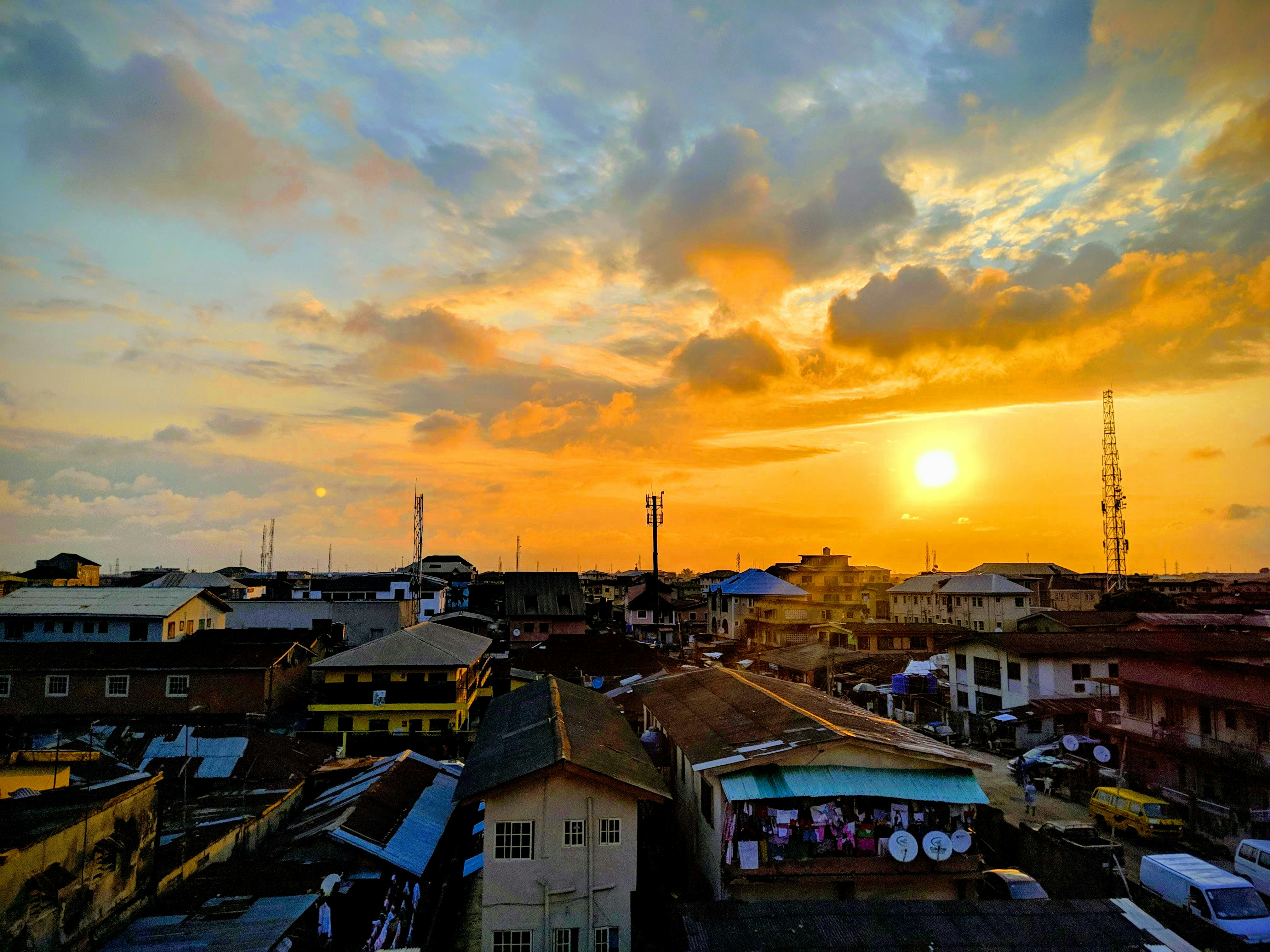
You pay a large amount upfront, but once the system is installed, the cost of generating electricity from sunlight is much lower.
If you have been thinking about installing solar in Nigeria, you have probably asked yourself the same question many other homeowners are asking in 2026:
Is solar really worth the money?
After all, installing a decent solar system can cost millions of naira. And when someone tells you that a complete home system can cost anywhere from ₦2.5 million to ₦8 million or more, it is fair to wonder whether you should just keep using NEPA and your generator.
The honest answer is this:
Solar can be worth it in 2026, but it is not automatically worth it for every Nigerian home.
It depends on how much electricity you use, how often you experience outages, what you currently spend on petrol or diesel, and how much backup power you actually need.
Let's look at it properly.
Why Nigerians Are Still Considering Solar
For many households, the problem isn't simply that electricity is expensive.
The bigger problem is uncertainty.
You don't always know when the light will go. You don't know how long the outage will last. And when you switch to your generator, the meter starts running in another direction.
Fuel. Servicing. Engine oil. Repairs. Noise. Smoke.
Before long, that "small generator" becomes another monthly bill.
Electricity tariffs also vary according to service level and location. NERC's service-based tariff structure classifies customers from Band A, with a minimum service commitment of 20 hours, down to Band E, with a minimum of four hours. Your actual tariff depends on your DisCo, tariff class and service arrangement.
This is one reason solar continues to attract homeowners.
You are not just buying panels.
You are buying more control over your electricity.
But Solar Is Not Cheap
Let's not pretend.
A proper solar installation is a serious investment.
Current 2026 Nigerian market estimates put many home solar systems somewhere around ₦2.5 million to ₦8 million, while larger homes and systems designed to carry heavier loads can go considerably higher.
You could spend money on:
- Solar panels
- Hybrid inverter
- Lithium battery
- Mounting structure
- DC and AC cables
- Breakers and surge protection
- Earthing
- Installation
- Maintenance
And the battery alone can take a large chunk of the budget.
This is why comparing solar by the number of panels or the inverter's kVA rating alone can be misleading.
A 5kVA system does not tell you how long your house can run at night.
The battery does.
The Generator vs Solar Question
This is where things get interesting.
Imagine you already have a generator and spend ₦100,000 every month on fuel, servicing and related running costs.
That is:
₦100,000 × 12 = ₦1.2 million per year.
Over four years, that is ₦4.8 million.
And that doesn't mean your generator has become more valuable. You have simply spent money keeping it running.
Solar works differently.
You pay a large amount upfront, but once the system is installed, the cost of generating electricity from sunlight is much lower. You still have maintenance and eventual component replacement to consider, but you are not buying petrol every time PHED, EEDC, IBEDC, EKEDC or another DisCo decides to disappoint you.
The exact financial comparison depends heavily on your actual fuel consumption, grid tariff, solar system price and how much electricity you use.
So don't believe anyone who promises you an exact "solar will pay for itself in X years" without looking at your numbers.
What If You Already Have Good Public Power?
This is where the answer changes.
If your area genuinely receives reliable electricity for most of the day and you rarely use a generator, spending several million naira on a huge solar system may not make financial sense.
You may be better off with a smaller backup system.
For example, instead of trying to power every appliance in the house, you could build a system around:
- Lights
- Fans
- TV
- Wi-Fi
- Phones
- Laptops
- Refrigerator
That could give you comfortable backup power without paying for a system designed to run every heavy appliance in your home.
Solar doesn't have to mean:
"Everything in the house must work during blackout."
Sometimes it simply means:
"I don't want darkness and I don't want to start the generator."
What About Air Conditioners?
This is where solar budgets can jump quickly.
An air conditioner is a significant load, especially if you want it running for several hours at night.
The same goes for:
- Electric water heaters
- Electric cookers
- Large water pumps
- Multiple freezers
- Washing machines
- Irons
- Kettles
- Microwaves
If you want all these appliances running simultaneously, you're no longer talking about a small backup system.
You'll likely need a larger inverter, more panels and, most importantly, considerably more battery capacity.
That can push a home installation into the ₦5 million–₦10 million+ territory depending on the equipment and how much backup you want. Current Nigerian market guides similarly show large-home systems moving into several-million-naira budgets.
Lithium Battery Has Changed the Conversation
If you're installing solar in 2026, lithium batteries deserve serious consideration.
Older lead-acid battery systems can be cheaper to enter, but they have limitations around usable capacity, cycle life, maintenance and how deeply they should be discharged.
Lithium batteries, particularly LiFePO₄ systems, generally offer better usable capacity and longer cycle life, although they cost more upfront.
And because the battery is what carries you through the night, buying a cheap battery just to make the quotation look attractive can become an expensive mistake.
A solar installer who tells you, "Don't worry, this battery will last," should be able to show you the actual capacity, chemistry, warranty and expected cycle life.
Don't just accept "10kWh lithium battery" as enough information.
Ask questions.
You Don't Need to Solar-Power Everything
This is probably the biggest mistake homeowners make.
Someone wants solar and immediately starts calculating:
Fridge + AC + washing machine + iron + microwave + pump + TV + lights + fans + everything else.
Then they see the quotation and say:
"Ah! Solar is too expensive."
Instead, separate your appliances into two groups.
Essential Loads
These are things you want available during an outage:
- Fridge
- Lights
- Fans
- Internet
- TV
- Phones
- Computers
Heavy Loads
These are appliances you may not need running continuously:
- Air conditioner
- Electric cooker
- Water heater
- Iron
- Microwave
- Large pumping machines
Build the system around your actual priorities.
You can always expand later.
Solar Panels Are Getting Better Too
The solar panel market has also changed.
Modern high-output panels in the 500W–650W range are increasingly common, allowing homeowners to get substantial generation capacity without covering their entire roof with smaller panels.
Current Nigerian 2026 market listings show 550W panels commonly selling in the broad range of roughly ₦115,000–₦265,000, while 600W and 650W-class panels can cost considerably more depending on brand and model.
Brands such as Jinko Solar, LONGi, Trina Solar, Canadian Solar and JA Solar are among the names buyers commonly encounter and are offered at great prices.
But don't buy a panel because somebody tells you it is "the best."
Look at the actual specifications.
So, Is Solar Worth It?
For a Nigerian homeowner who spends heavily on generator fuel, experiences frequent outages and wants reliable electricity, solar can make a strong financial and practical case in 2026.
But if you barely use your generator and already have dependable grid electricity, the calculation is different.
The best question isn't:
"Is solar worth it?"
Ask:
"How much am I currently spending to get the electricity I need, and what would it cost me to replace part or all of that with solar?"
That gives you a much better answer.
When Solar Probably Makes Sense
Solar deserves serious consideration if:
- You spend a lot on generator fuel.
- Your area has frequent or unpredictable outages.
- You work from home.
- You run a business from your house.
- You need your refrigerator/freezer running continuously.
- You depend on internet and computers.
- You want quieter backup power.
- You expect to stay in the property for several years.
For these homeowners, the value isn't only the money saved.
It is the convenience.
You can sleep without worrying about whether there is fuel in the generator.
You can work without listening to an engine outside.
You can turn on your fan during a blackout without first asking, "How much fuel is left?"
That has value.
When You Should Think Twice
Solar may not be the right investment if:
- Your electricity supply is already very reliable.
- You hardly use a generator.
- You are renting and may move soon.
- You only need occasional backup power.
- You are borrowing heavily just to afford the installation.
- You are buying a system much larger than your actual needs.
In these situations, a smaller inverter-and-battery backup system may make more sense than a full solar installation.
The Biggest Mistake You Can Make
Don't choose your solar system based on what your neighbour bought.
Your neighbour may have a 5kVA inverter.
Your cousin may have 10kVA.
Your friend may have six 550W panels.
None of that tells you what you need.
Two homes can have completely different electricity requirements.
The right system starts with your appliances and usage.
First calculate your load. Then size your inverter. Then size your battery. Then size your solar panels.
Not the other way around.
The Honest Verdict
So, are solar panels still worth it in Nigeria in 2026?
For many homeowners, yes — but the value is in the right-sized system, not simply in buying solar.
Solar is not free electricity. It is a large upfront investment designed to reduce your dependence on the grid and generator over many years.
If you are spending ₦80,000, ₦150,000 or ₦200,000+ every month keeping a generator running, the economics can look very different from someone who spends almost nothing on backup power.
And if you work from home, run a business or simply value reliable electricity, the benefit goes beyond naira and kobo.
The smartest approach in 2026 is simple:
Don't buy the biggest solar system you can afford. Buy the system that matches what you actually need.
Get at least two or three quotations. Ask for the exact panel, inverter and battery models. Check warranties. Ask what is included in installation. And make sure the installer has properly calculated your load before collecting your money.
Because the goal isn't to own solar panels.
The goal is to have electricity that works when you need it.
Prices and market conditions referenced in this article are based on 2026 Nigerian market information and can change with exchange rates, equipment availability, tariffs and supplier pricing. Always obtain a current quotation and load assessment before purchasing a solar system.
Ready to Go Solar?
Get a free, no-obligation solar quote today. Our team will design a solar system tailored to your home or business.